How Much Does It Cost to Build a Backyard Shed?
If you’ve been asking how much it costs to build a backyard shed, you’re not the only one. It’s usually the first question that comes up. And fair enough.
A proper shed isn’t something you grab off the shelf or throw together in a weekend. It’s a construction job. One that needs to suit your block, your lifestyle and the way you plan to use it. That’s why a few key things drive the final cost: size, materials, site prep, and the quality of the workmanship.
Here’s what actually affects the price, what to watch for in a quote, and why the cheapest option usually isn’t the smartest.
What Really Affects the Price of a Shed
Size, Height and Design
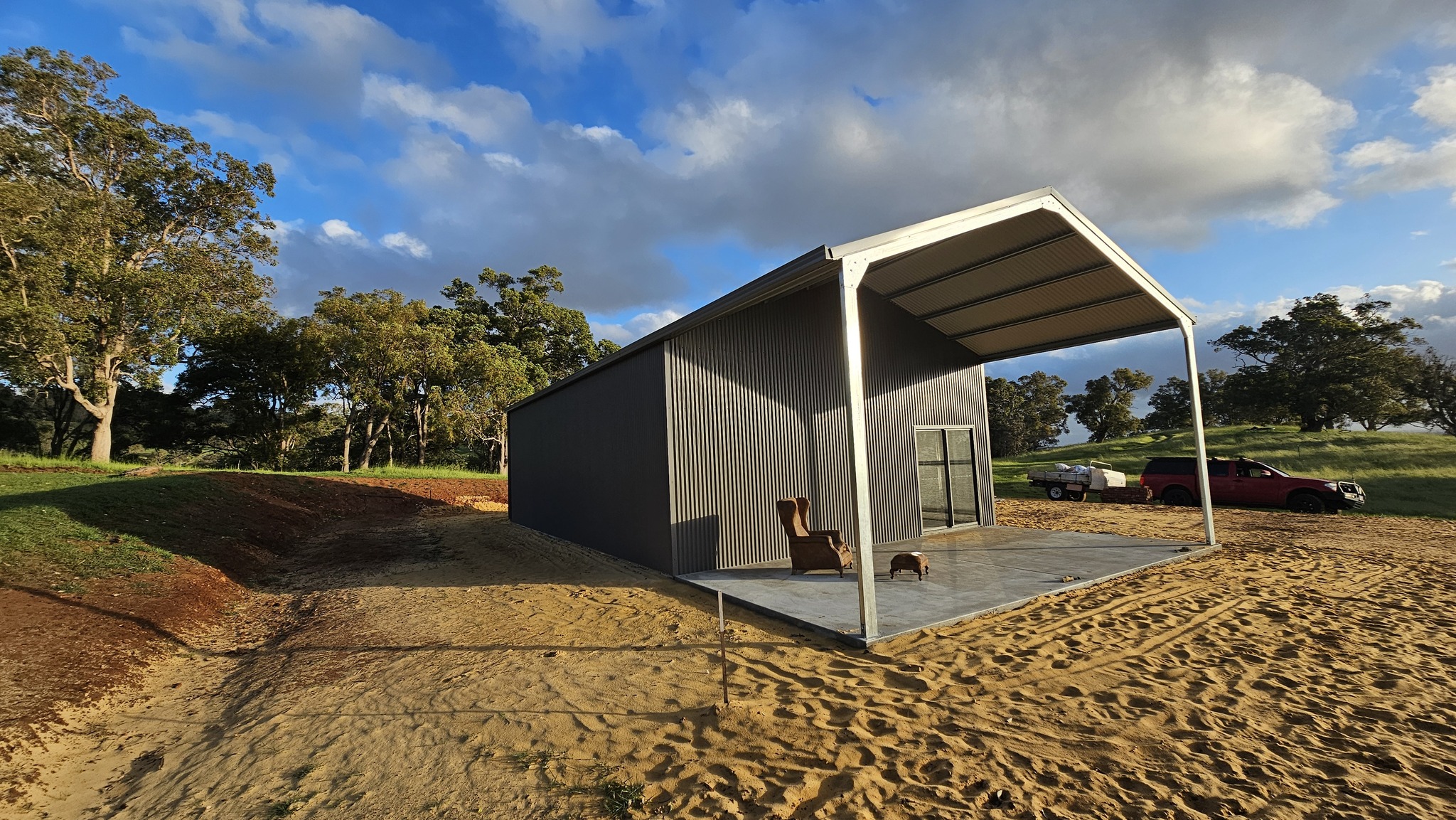
No surprises here. Bigger sheds cost more. But it’s not just about square metres. The shape, height and layout all make a difference.
A small backyard storage shed will sit at the lower end of the cost range. But when you start adding things like vehicle clearance, multiple roller doors or zones for tools and benches, your price moves with it.
If you’re planning to use the space for more than just storage, think ahead. Go taller. Go wider. Make sure you’ve got enough room to actually work in it. It costs more to add that later than to get it right from the start.
Materials That Hold Up
This is where a lot of sheds either stand tall or fall apart.
Cheap kits often hide behind “Australian-manufactured” labels but use imported steel, lighter gauge frames, and cheaper fixings that just don’t hold up. We’re talking thinner cladding, riveted frames, and bargain-bin bolts. It might look alright on paper, but give it one proper WA storm, and you’ll be dealing with rust, leaks, and loose panels in no time, which may save a few bucks now, but you pay for it later.
We use genuine Aussie-made BlueScope steel, with Colorbond® or Zincalume® sheeting, and we fully bolt the cold-rolled, galvanised frames in our custom sheds. Built for WA conditions, not just to pass inspection. You don’t want to be chasing leaks or dealing with wind damage after year two.
Add-Ons That Make It Work
The base structure is one thing. But how you plan to use the shed will determine what features you need, and that affects the final price.
Think about:
- Roller doors or sliding access
- Windows or louvres for natural light and airflow
- Roof and wall insulation if you’ll be using it in summer
- Guttering and downpipes to keep the foundation dry
- Lighting and power if you’re setting up a workspace
These aren’t luxuries. They’re practical choices that make the shed comfortable, secure and usable year-round.
The Slab and the Site
A backyard shed is only as good as what it’s sitting on. If the slab’s weak or the site prep’s rushed, you’re asking for trouble.
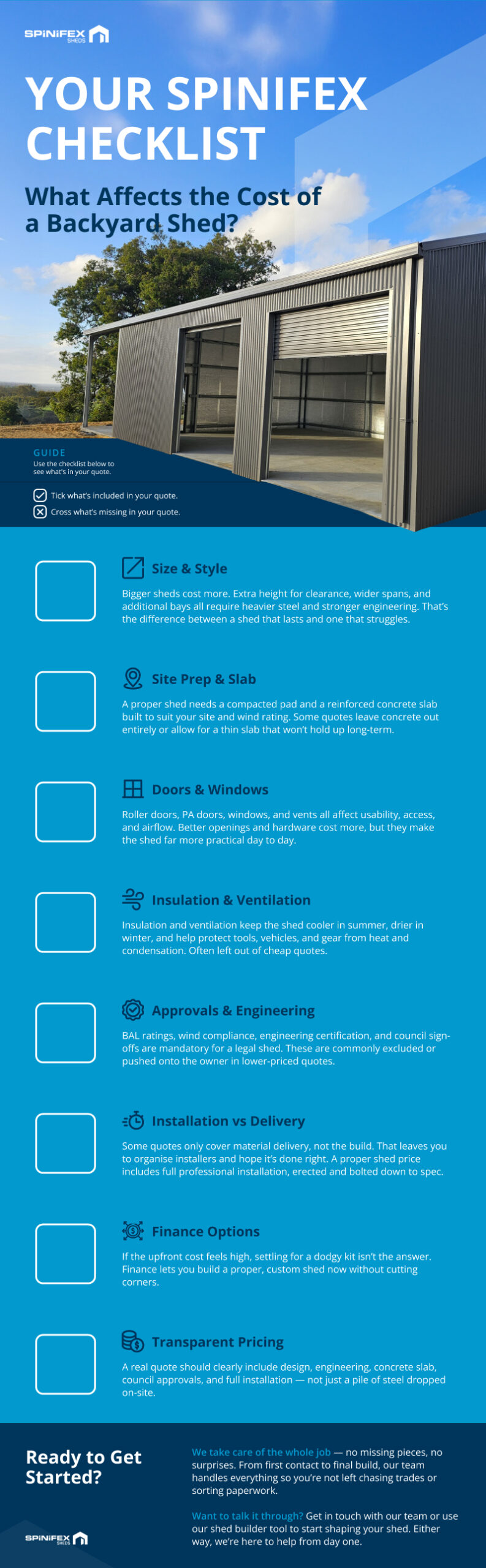
A proper concrete slab needs to be reinforced, levelled and engineered for the shed size and soil conditions. That means compacted sand pad, correct depth, and reliable drainage. It’s not just about pouring some concrete. It’s about doing it right so your shed doesn’t crack, shift or flood.
A lot of quotes leave the slab out altogether, or list it as ‘optional.’ At Spinifex Sheds, it’s always part of the job. Because a shed without a decent slab isn’t worth building.
What’s in the Quote (and What’s Missing)
Before you commit, ask yourself this: Are you thinking of buying from a licensed builder or just a shed supplier handing over a DIY kit and leaving you to sort out the rest?
This is where things get murky. You might get a quote that looks cheaper, but when you dig into the details, it’s missing half the job.
Here’s what you need to check:
- Is the concrete slab included?
- Are council approvals and engineering sign-offs covered?
- Does the price include actual installation, or is it just a delivery?
- Is it custom designed for your block, or a one-size-fits-nothing kit?
We’ve seen plenty of ‘low’ quotes that don’t include the essentials. Once you add back in the slab, approvals, and someone to build it, you’re paying more than if you’d gone with a full-service builder in the first place. Because the real cost of a backyard shed lies in what they don’t include, not just the price printed at the bottom.
DIY vs Getting It Done Properly
Building it yourself might seem cheaper. But once you start adding up the materials, tools, time, council headaches and call-backs; it adds up quick.
You still need to:
- Organise and pour a proper slab
- Navigate local shire approvals
- Make sure it meets wind and fire zone ratings
- Handle delivery, installation, bracing and fixings
That’s if everything goes smoothly. If it doesn’t, you’re the one wearing the cost.
A licensed builder takes that pressure off. We do the job right the first time, ensuring your build is compliant and fully covered by warranty.
So, How Much Does It Cost to Build a Backyard Shed?
Let’s talk straight. There’s no flat fee or fixed price list. If someone gives you one, they’re either guessing or cutting corners.
What you’ll pay depends on your block, your plans and your priorities. A simple storage shed will sit at one end of the range. A fully kitted-out workshop with power, insulation and vehicle access will sit at the other.
That’s why the only way to answer how much it costs to build a backyard shed is to get a proper, detailed quote. One that includes everything, design, site prep, concrete, approvals, and build, not just a number on a brochure.
We don’t do estimates. We give real numbers based on real site conditions and your actual shed needs. No assumptions. No surprises.
Need Breathing Room on the Budget?
If your shed dreams are bigger than your current bank balance, we’ve got your back.
Through Varlo Finance, you can spread out the cost with easy repayments. That means you don’t have to settle for a cut-down version or a dodgy kit. You get the shed you actually want, built properly, without blowing the budget.
Build It Right. Build It Once.
A shed isn’t a cost. It’s an investment in your home, your tools, your lifestyle and your time. Build it properly, and it’ll last for decades and keep earning its keep. When it’s not, it becomes an expensive headache.
Spinifex Sheds builds real sheds. No flat-packs. No fluff. Just custom, council-approved, slab-included, Aussie steel structures, built right, start to finish.
If you’re still wondering how much it costs to build a backyard shed, let’s figure it out properly. Use our online shed builder to customise your design and get a custom quote from our expert team, or get in touch today. Don’t forget to download our Shed Builder Cost Checklist to make sure you’ve covered everything before you build. We’ll help you design the perfect shed, handle all the approvals, and get it built right, the first time.

SIMON BUSBY
Owner - Spinifex Sheds
I've got a passion for helping people build the right shed. Whether that's custom made for your hoist, fitting the shed into a tight site or just a shed that's going to last many years, I love to help.
Similar Articles
8 Shed Lighting Ideas (That Actually Work)
If you’re planning a new shed or just want to make your existing one more usable, lighting makes a big difference. Whether you’re working on the ute, knocking out a quick project, or finding that last tool in the back corner, poor lighting makes everything harder than it needs to be.
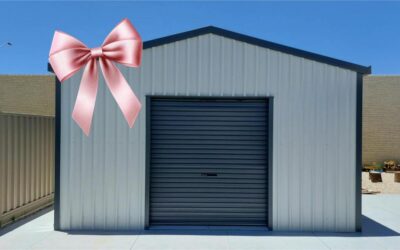
She Shed Ideas: That Aren’t Just Pretty Pictures
A backyard shed isn’t just for storing tools and lawn gear. With the right setup, it becomes a space you’ll actually want to spend time in. A place to create, relax, or get things done without distractions.
This guide walks through practical she shed ideas that go beyond Pinterest trends. These are proper steel sheds built to suit your block, your needs, and the tough WA conditions.
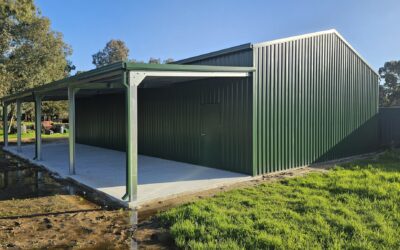
How to Vermin Proof Your Shed (Properly)
If you’re looking into how to vermin-proof a shed, it pays to get the facts straight. It’s not about throwing a few traps in the corners or spraying some repellent and hoping for the best. Pests are opportunists. In Western Australia, that can mean dealing with...