
How to build a machinery farm shed
Machinery is the backbone of any farm. Tractors, headers, sprayers, seeders. These are big investments that keep everything moving. Leaving them out in the weather or under a flimsy shed leads to rust, costly repairs, and downtime when you least need it.
If you’re looking for clear advice on how to build a machinery farm shed that protects your gear and makes life easier, you’re in the right place.
Why a Proper Machinery Shed is Non-Negotiable
A strong machinery shed isn’t just a good idea. It’s essential. Protecting equipment from sun, rain, wind, and dust extends its life, reduces breakdowns, and keeps the farm running smoothly.
When harvest arrives, the last thing you need is to lose time fixing machinery that should have been protected properly.
Custom vs Prefab
It’s easy to be drawn in by cheap shed kits online. They often come with a one-size-fits-all approach, but farms across WA rarely work that way. Kits may suit some jobs, but they can fall short on structural flexibility, layout efficiency, and long-term durability — especially when it comes to large machinery or specific site conditions.
A custom-built shed is planned around how you actually use your space. You get the right clearances, bay widths, and access points from the outset. The design can be tailored to suit your gear, property layout, and wind rating zone, so it performs well from day one and is easier to maintain over time.
It’s not about building the biggest or heaviest shed possible. It’s about building the right one for your farm.

What to Consider When Planning Your Shed
When working out how to build a machinery farm shed that lasts, it’s about more than just overall size.
Span and Bay Size
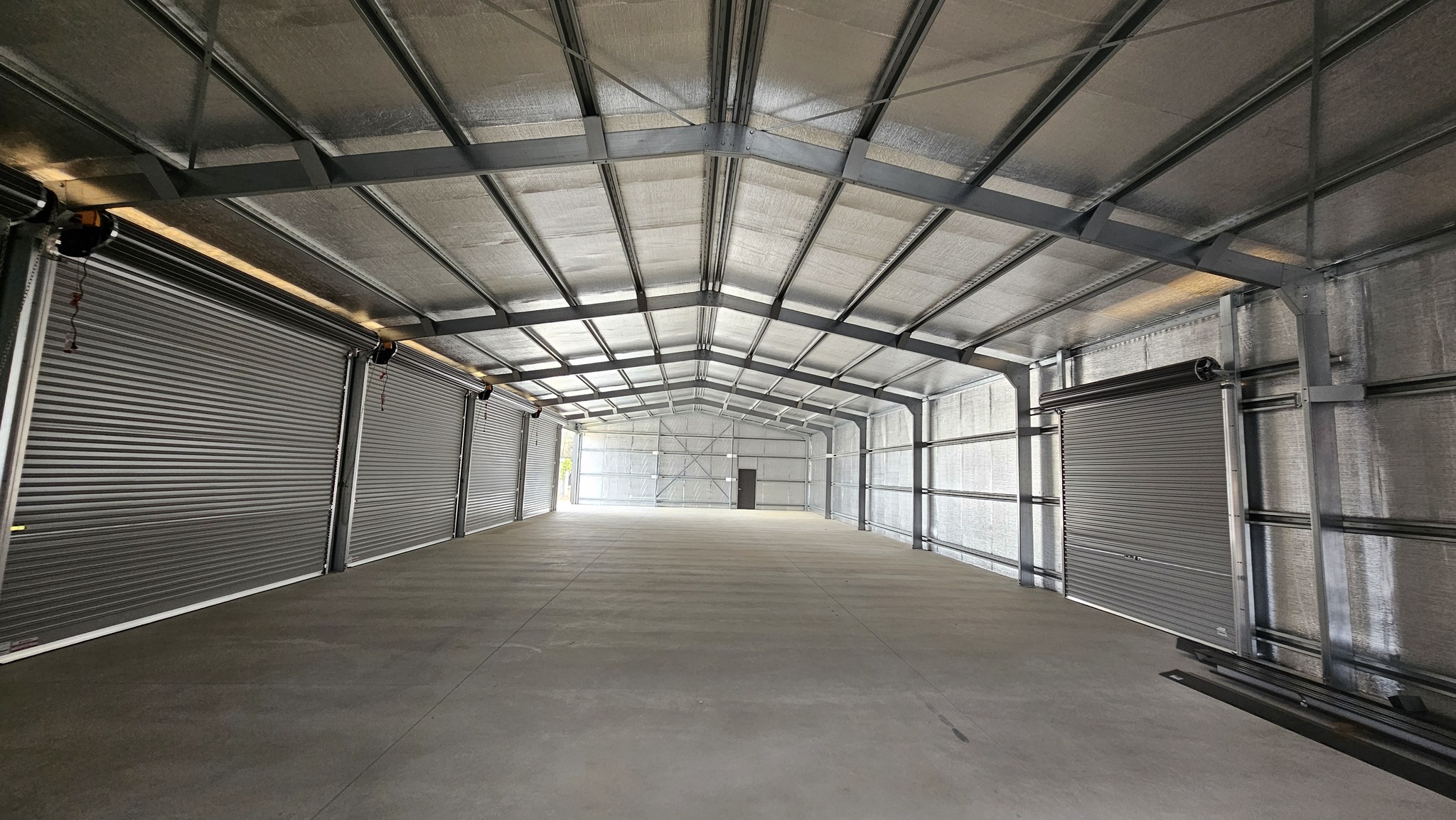
Wide bays make it easy to move big gear without scrapes or dents. Tight spaces cause unnecessary damage and waste time.
Height and Clearance
Headers and spray rigs keep getting bigger. Planning extra height now saves you trouble and extra costs later when you upgrade.
Access and Openings
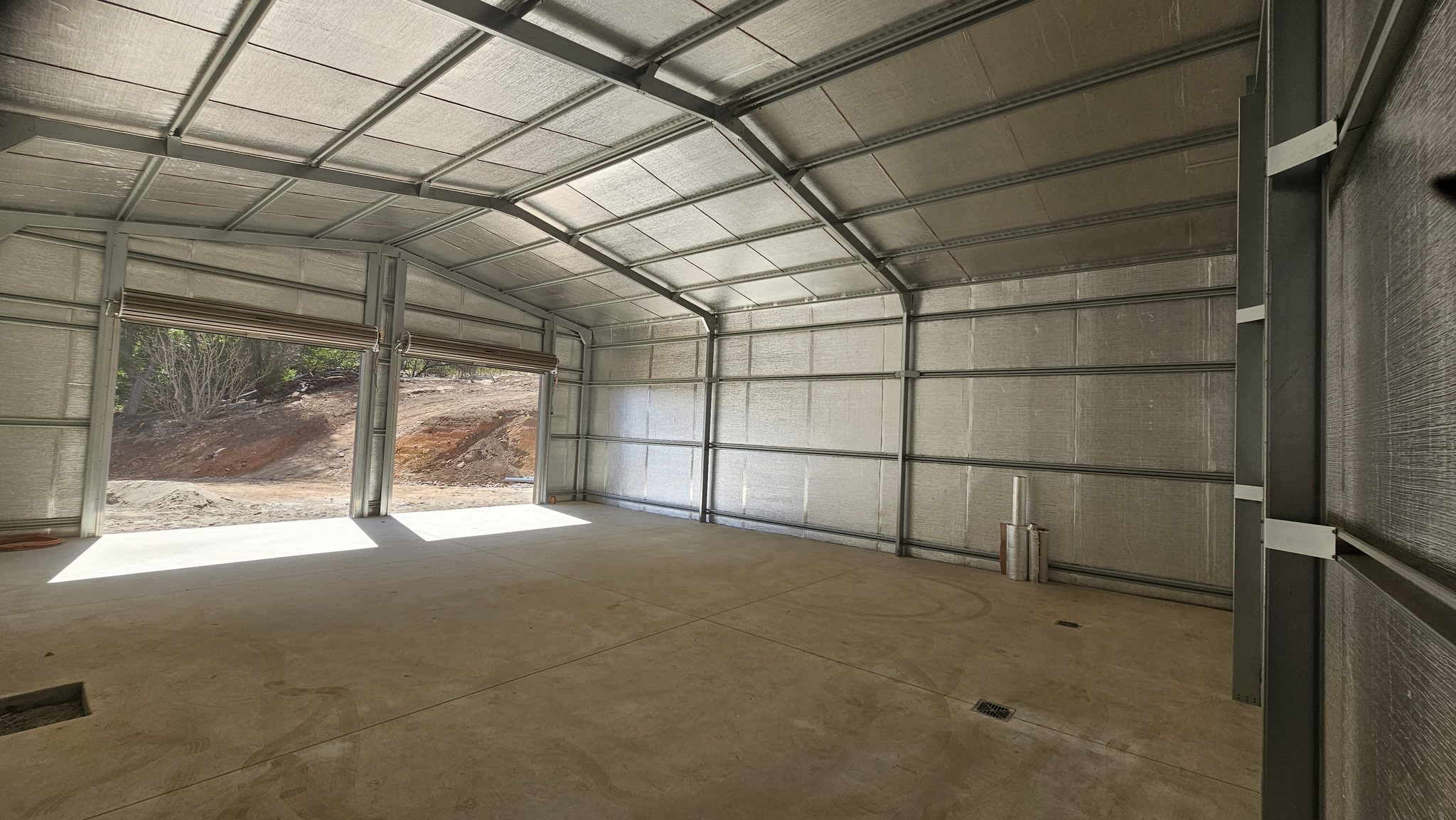
Large, clear-span openings with quality roller doors or open fronts make daily jobs easier. You don’t want to waste time lining up machinery every time you move it, or messing around with old sliding doors that jam up and get harder to open over time.
Ventilation
Good airflow reduces condensation and helps prevent rust. Louvres, ridge vents and open eaves all help keep things dry and in good condition.
Insulation
Insulation helps control heat and moisture, protecting machinery and making maintenance work more comfortable.
Build Quality and Materials
A shed is only as strong as the materials and workmanship behind it. Choosing Australian-made steel matters; it’s made for our conditions and supports local industry.
But strength isn’t just about size or thickness. What counts is how the structure is engineered, tested, and built to handle real-world stresses: heavy loads, high winds, and years of harsh Aussie weather. Good design and detailing make all the difference.
Galvanised bolts and heavy-duty fixings keep everything secure and help prevent corrosion over time, especially in coastal or high-moisture environments.
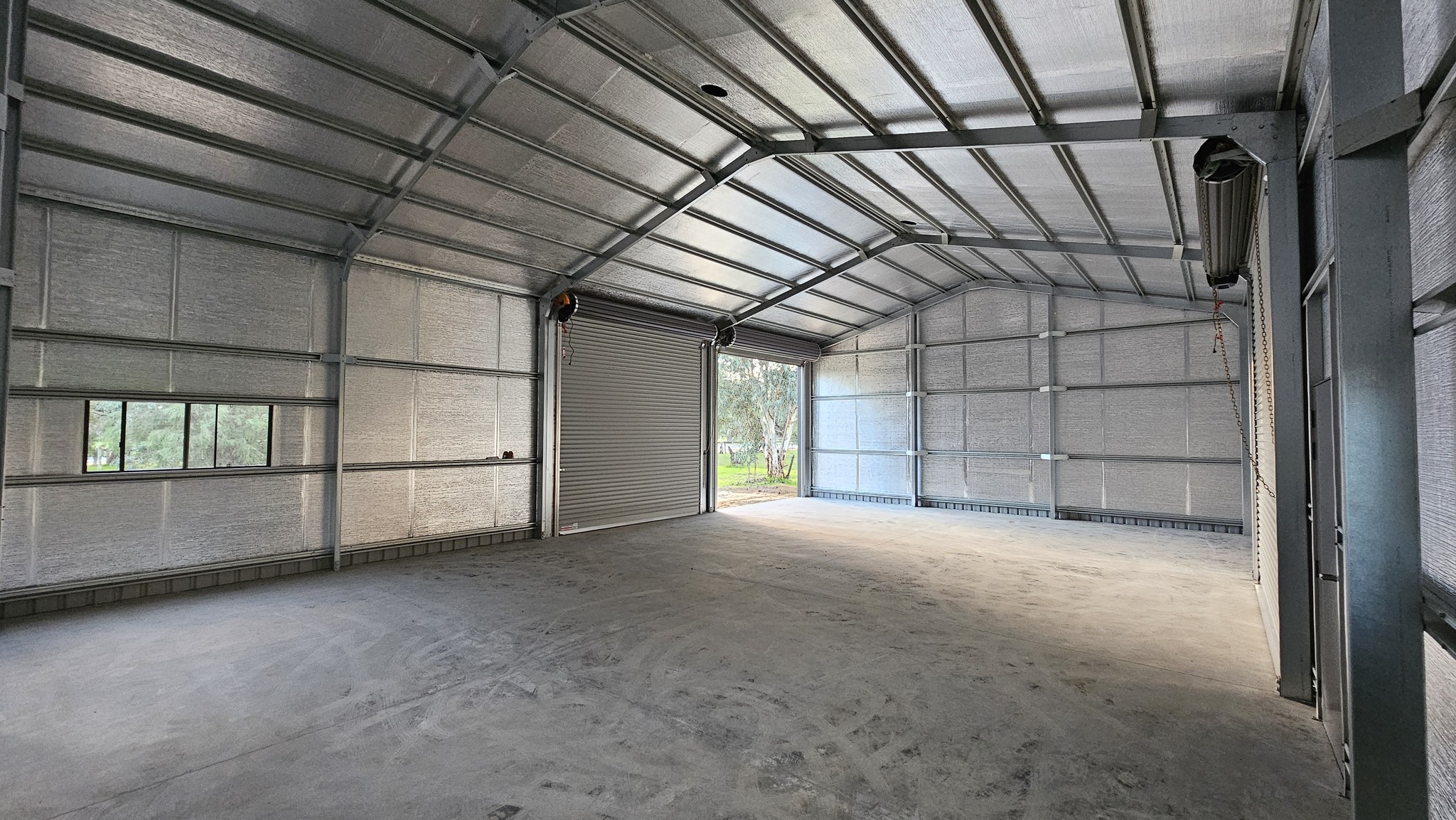
We often recommend a concrete slab, especially if you’re storing heavy machinery or using forklifts. A well-designed slab needs the right thickness, steel reinforcement and finish to handle the load properly.
That said, many farmers opt for footings only, especially in regional areas where full slabs aren’t always practical. Either way, the foundation needs to be solid and engineered for the job.
Approvals and Compliance
Dealing with shire approvals and engineering paperwork can quickly become a headache. Your shed needs to meet WA wind region standards, including cyclone ratings where required.
Fully certified engineering means no nasty surprises and no wasted time chasing paperwork when you should be running the farm.
Common Mistakes to Avoid
A few simple mistakes can turn a shed build into an expensive headache. Here are some of the big ones to look out for:
- Underestimating machinery size. Many sheds end up too tight because future upgrades weren’t considered. Plan for bigger gear and extra clearance from the start.
- Cutting corners on concrete. Shallow or under-reinforced slabs can shift and crack, putting the whole structure at risk.
- Poor drainage planning. Water pooling around the shed damages the slab and creates a mess at entry points. Good site grading and runoff design prevent major hassles later.
- Ignoring local wind ratings. WA winds are serious. Building to suit your region’s requirements avoids major damage and costly repairs.
- Choosing the cheapest option. Upfront savings often lead to higher maintenance costs and structural failures. A proper shed is an investment that pays off long-term.
Why Work With the Experts
Building a shed isn’t a quick DIY project. Site prep, concrete, framing, roofing and final touches all need to come together properly.
Working with experienced builders means everything is managed from start to finish. One team, one clear plan, no delays.
A quality shed protects your investment, improves your workflow and saves money over time. Cheap sheds might look good on a website, but don’t hold up when the weather turns rough.
Why Choose Spinifex Sheds
Spinifex Sheds is WA-owned and operated. We understand local conditions because we work in them too.
We use genuine Australian steel, solid engineering and proven designs to make sure your machinery shed stands up to anything. Every design is tailored to your gear, your farm layout and your future plans. Every detail is carefully considered, from bolt sizes to roller door clearance.
With Spinifex, everything is taken care of: design, council approvals, concrete, and the full build. Done properly, the first time. You’ll also get clear advice, regular updates, and a team that genuinely cares about doing things the right way.
Ready to Protect Your Gear the Right Way?
If you’re serious about looking after your gear and want to build it once and build it right, talk to us. We’ll show you exactly how to build a machinery farm shed that’s tough enough for WA, designed for your farm, and ready to work as hard as you do.
No cheap shortcuts. No tin sheds are blowing away in the first storm. Just proper, custom-built sheds, the way it should be.
Don’t know what you want? Have a play with our shed builder to get an idea of what you think you’ll need. Want to talk it through? Get in touch, and we’ll help you work out the best approach for you.

SIMON BUSBY
Owner - Spinifex Sheds
I've got a passion for helping people build the right shed. Whether that's custom made for your hoist, fitting the shed into a tight site or just a shed that's going to last many years, I love to help.
Similar Articles
8 Shed Lighting Ideas (That Actually Work)
If you’re planning a new shed or just want to make your existing one more usable, lighting makes a big difference. Whether you’re working on the ute, knocking out a quick project, or finding that last tool in the back corner, poor lighting makes everything harder than it needs to be.
She Shed Ideas: That Aren’t Just Pretty Pictures
A backyard shed isn’t just for storing tools and lawn gear. With the right setup, it becomes a space you’ll actually want to spend time in. A place to create, relax, or get things done without distractions.
This guide walks through practical she shed ideas that go beyond Pinterest trends. These are proper steel sheds built to suit your block, your needs, and the tough WA conditions.
How to Vermin Proof Your Shed (Properly)
If you’re looking into how to vermin-proof a shed, it pays to get the facts straight. It’s not about throwing a few traps in the corners or spraying some repellent and hoping for the best. Pests are opportunists. In Western Australia, that can mean dealing with...