
What is Building Approval?
In some cases, a building permit may be required before construction can be carried out on a new shed in Perth. A building permit is often needed if the work requires alteration, renovation or construction of a building, including sheds. It’s more likely that building permission will be required when the work may:
- Have impacts on the health and safety of the occupants
- Affect the structural integrity of the building
- Affect the way the building complies with building standards

Also read about – Owner Builder Vs Registered Builder
How Do I Get Building Approval?
In order to obtain building approval, you must lodge an application with the permit authority in the area the building will be located. This is usually your local council or shire
Building permits are controlled by the Building Act 2011 and the Building Regulations 2012. A building permit is required for any works involving construction or alterations including projects such as:
- Residential dwellings
- Residential additions and alterations
- Commercial buildings
- Decks, patios, gazebos, pergolas and verandas
- Swimming pools and spas
- Rainwater tanks
- Workshop Sheds
- Retaining walls
- Garages and carports
- Sheds
In Western Australia, there are two types of application forms for building permits. A Building Permit Certified (BA1) and a Building Permit Uncertified (BA2).
Building Permit Certified (BA1)
This application must be used for commercial buildings (class 2-9). A Building Permit Uncertified (BA2) is optional for residential structures in classes 1 and 10. This permit application must include a certificate of design compliance signed by a registered building surveyor.
Building Permit Uncertified (BA2)
This permit application is only for incidental structures and residential buildings. Although there is a processing time of 25 business days for this application, there is no requirement to engage a building surveyor. The City of Perth provides a building surveyor to conduct an assessment and issue a building permit along with a Certificate of Design Compliance.
Notice of Completion
If you are required to obtain a building permit, you must submit a notice of completion. This must be submitted within seven days of the work completion or the particular stage of work for which the permit was granted for.
Exemptions
The Building Act provides details about exemptions from the requirement to obtain certain permits for particular buildings and incidental structures. This is based on their level of risk. It’s important to understand that these exemptions don’t remove the requirements for other approvals that may be needed. You should contact your local council to determine if exemptions apply to your project.
How Much is Building Approval?
Fees for building approvals vary depending on your circumstances, however the minimum fee is $105. You should check with your local council in regards to fees and charges.
In most cases where work includes construction or alterations of a building, a permit is required before commencing any work. To find out more about building permits and if you need one, contact your local council or shire.

SIMON BUSBY
Owner - Spinifex Sheds
I've got a passion for helping people build the right shed. Whether that's custom made for your hoist, fitting the shed into a tight site or just a shed that's going to last many years, I love to help.
Similar Articles
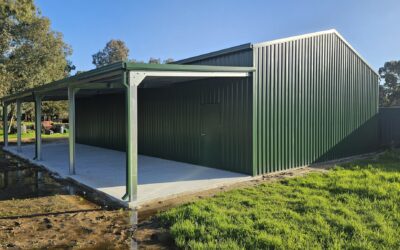
How to Vermin Proof Your Shed (Properly)
If you’re looking into how to vermin-proof a shed, it pays to get the facts straight. It’s not about throwing a few traps in the corners or spraying some repellent and hoping for the best. Pests are opportunists. In Western Australia, that can mean dealing with...
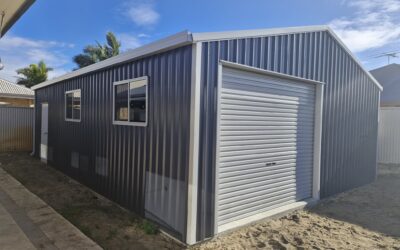
Man Shed Ideas: Turn Your Shed Into a Personal Escape
A shed’s never just a box with a door. It’s where you stash the gear, sort your tools, or line up your next project. Whether you’re fixing the ute, catching the footy, or just want a spot to disappear for a bit, the right setup makes all the difference. Even if it’s just for storage, it should still be tough, weatherproof, and built to last.
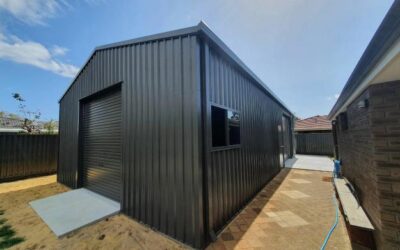
How to Keep a Shed Cool in Summer
If you’ve spent a summer working out of a steel shed in the WA heat, you know how fast it can turn into a sweatbox. Whether you’re parking gear, storing feed or knocking out a few jobs in the shade, the last thing you want is to step into an oven every time you open the roller door