
8 Shed Lighting Ideas (That Actually Work)
If you’re planning a new shed or just want to make your existing one more usable, lighting makes a big difference. Whether you’re working on the ute, knocking out a quick project, or finding that last tool in the back corner, poor lighting makes everything harder than it needs to be.
This guide covers eight practical lighting options that actually work in a real shed, no mood lights or fairy string nonsense. We’ve also included some key advice on planning your lighting properly, so everything fits and functions the way it should from day one.
1. LED Batten Lights
LED battens are the workhorse of shed lighting. Easy to install, reliable, and bright without chewing through power, they’re ideal for general overhead lighting.
Why they work:
- Bright, even light across the whole space
- Energy-efficient and long-lasting
- Low heat output
- Available in dust and water-resistant ratings (IP65+)
Best for: Workshops, garages, and multi-use sheds where you need consistent light from one end to the other. Ideal if you’re using tools, working on vehicles, or just want to see what you’re doing without casting shadows.
2. High Bay Lights
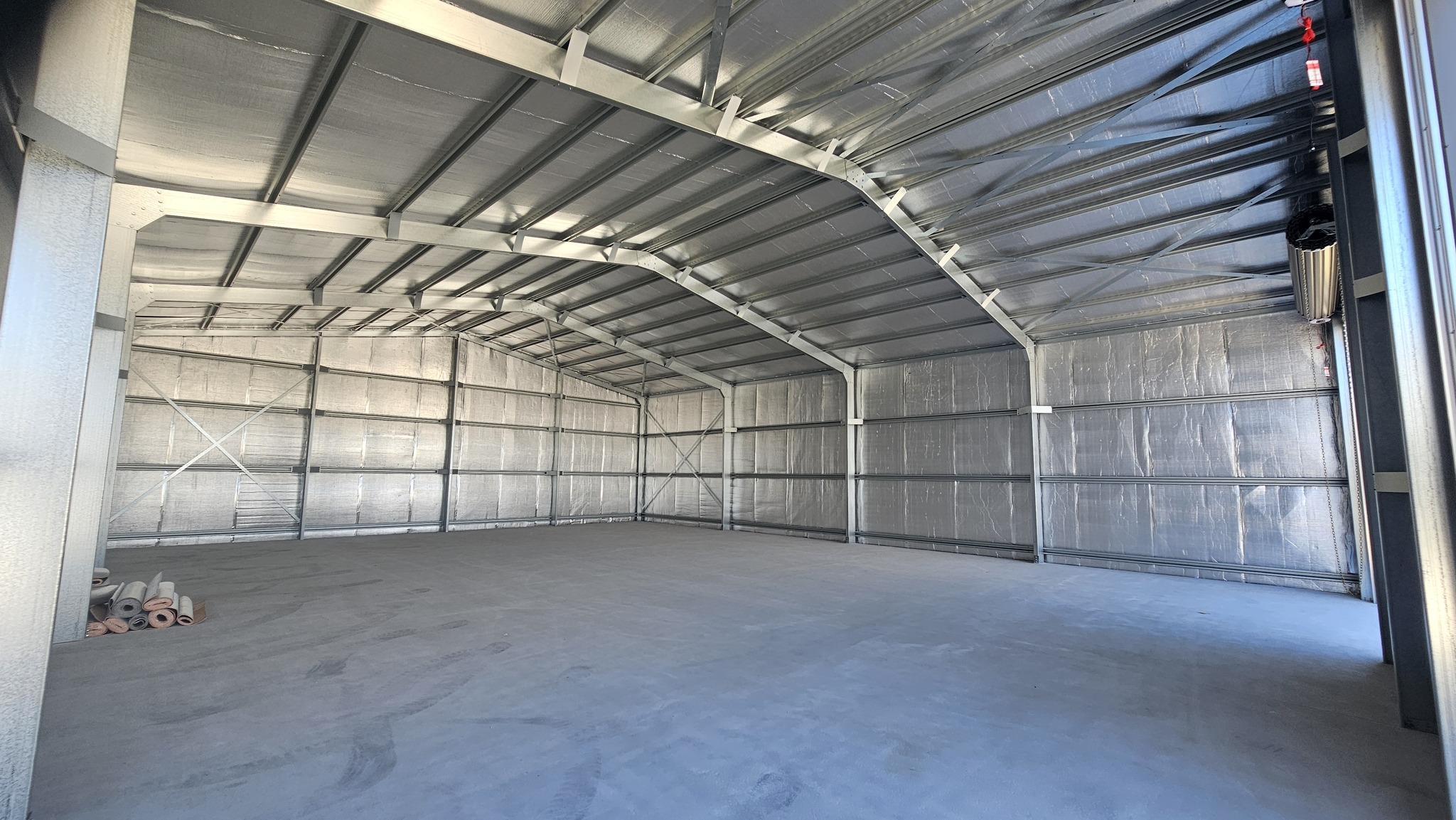
If your shed has a tall roof of 3.5 metres or more, high bay LED lights are made for it. These are designed to throw strong light down from high ceilings, covering large open areas with fewer fittings.
Why they work:
- High lumen output (10,000+)
- Suited for large, tall sheds
- Efficient compared to traditional halogen or metal halide lights
Best for: Big machinery sheds, commercial setups, or rural sheds with high clearance and wide spans. If you’ve got tractors, headers or other large gear inside, high bays keep the space lit from top to bottom.
3. Motion Sensor Lights
These lights switch on when you walk in or pull up to the shed hands-free, no fumbling for switches in the dark. They’re also great as an added bit of security.
Why they work:
- No need to touch a switch
- Ideal for after-hours access
- Low power use thanks to automatic shut-off
Best for: Entry points, roller doors, or pathways outside the shed. Perfect if you’re coming back late or need to grab something without lighting up the entire space.
4. LED Strip Lighting
LED strips under shelves or over benches give you targeted light exactly where you need it. They’re low-profile and easy to install.
Why they work:
- Focused light for close-up tasks
- Don’t get in the way
- Simple to mount and power
Best for: Workbenches, tool storage, or detailed jobs like electronics, painting, or timber work. Good when you need light without lighting up the entire shed.
5. Skylights
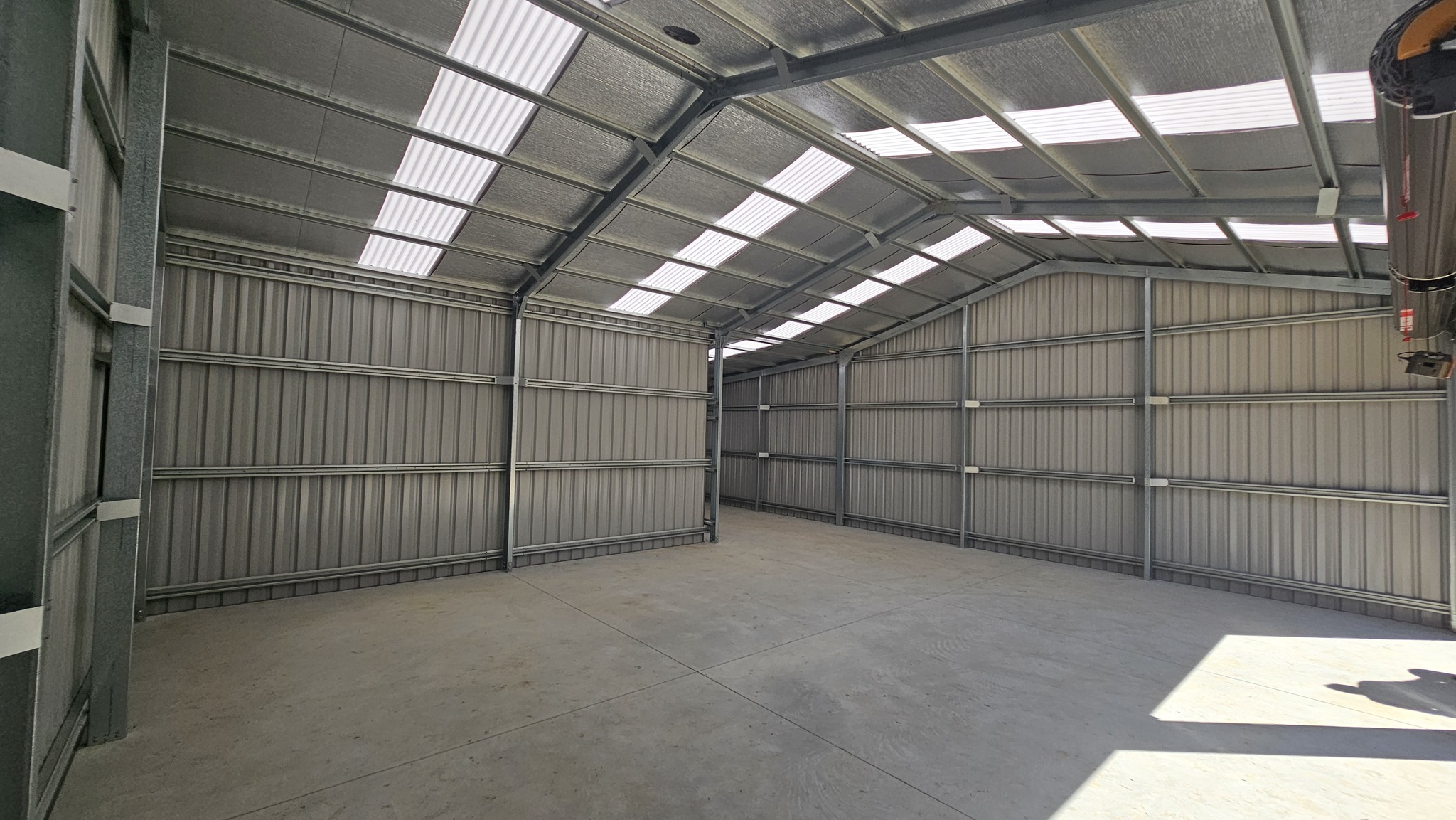
Natural light can go a long way during the day. A polycarbonate skylight built into your shed roof brings in sunlight without using a single watt of power.
Why they work:
- Free light during the day
- Reduce power use and running costs
- Simple, low-maintenance design
Best for: Storage sheds or daytime workshops where natural light does the job. Pair them with LED fittings for full coverage when it gets dark.
6. Portable LED Work Lights
Sometimes you need to chase the light. A good-quality portable LED lets you move the light source to where you’re working.
Why they work:
- Lightweight and mobile
- Plug-and-play
- Versatile for any kind of job
Best for: Project-based work, mechanics, or anyone doing repairs or rotating tasks around the shed. These are especially handy if you haven’t locked in a fixed bench layout yet.
7. Wall-Mounted Task Lights
Adjustable task lights fixed to the wall give you precise lighting for detailed work without cluttering up bench space.
Why they work:
- Fixed position means consistent light
- Keeps surfaces clear
- Adjustable heads for better control
Best for: Fixed workstations like welding bays or tool benches where visibility is critical. Useful if you’re doing close-up work that needs good directional light.
8. Outdoor Floodlights
Don’t forget outside. A proper floodlight with weather protection can light up your driveway, entrance, or loading area.
Why they work:
- IP66+ rated for outdoor use
- Broad light spread
- Motion sensor options available
Best for: Rural blocks, business yards, or driveways where you’re moving gear or working after dark. They also add an extra layer of visibility and safety.
Plan Your Lighting From Day One
Good shed lighting starts with smart planning. If you’re building from scratch, think ahead:
- Where will your benches go?
- How many power points do you need?
- Do you want natural light during the day?
- Will you be working at night?
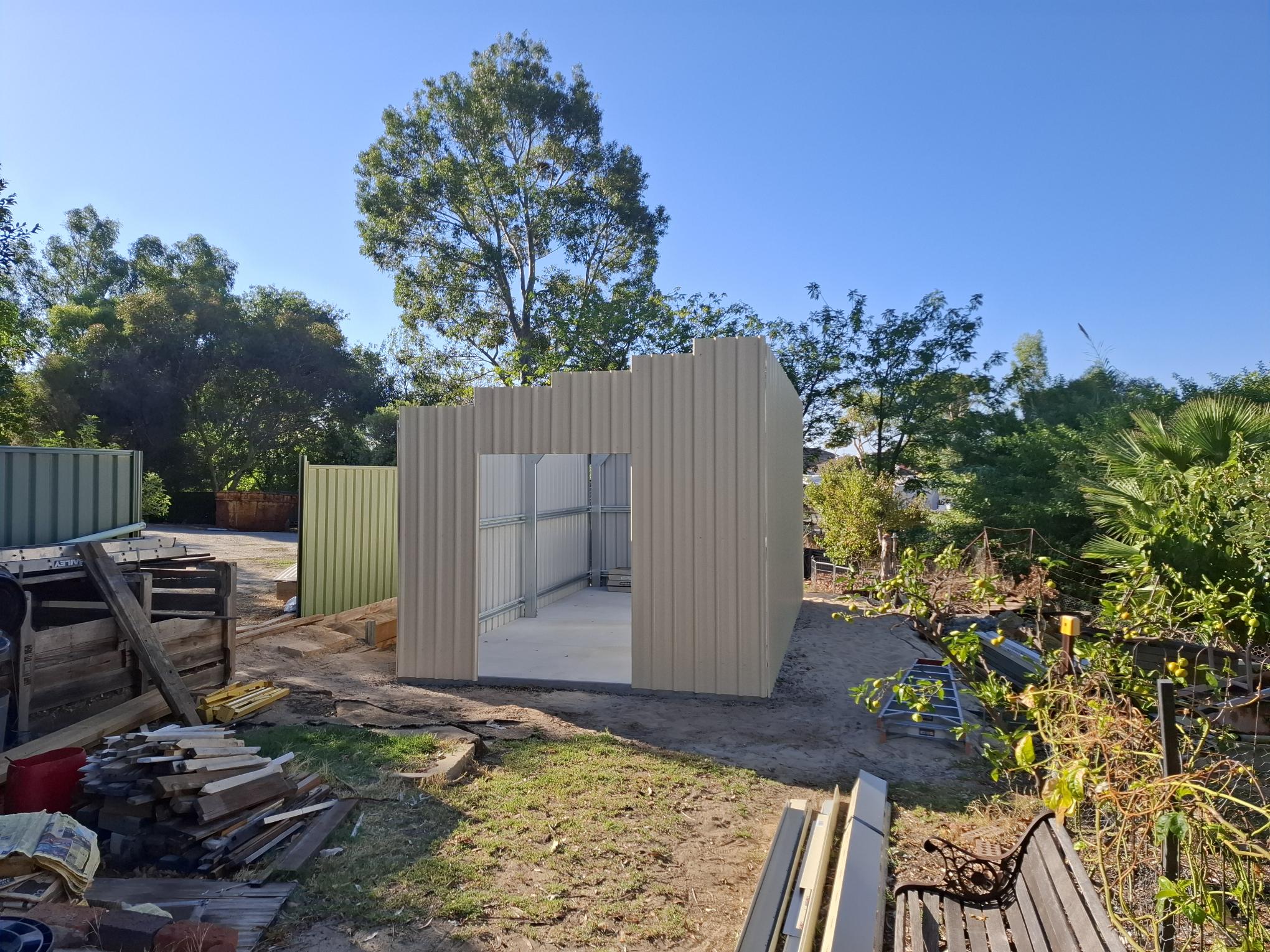
A bit of thought up front can save you hours of rewiring or bodgy add-ons later. Even simple things like laying conduit in the slab or adding roof trusses with mounting points can make future lighting easier.
FAQs
Q. How bright should my shed lighting be?
A. It depends on how you use the space. For general use, aim for around 200–300 lux. If you’re working with tools or machinery, bump it up to 500 lux or more for safety and visibility.
Q. Can I use solar-powered lights in a shed?
A. Solar can work for basic lighting, but if you’re running tools or need consistent brightness, mains power is more reliable. You can use solar as a backup or for outdoor motion lights.
Q. Do I need to install lighting during the shed build, or can I add it later?
A. You can add it later — and in most cases, that’s the smarter move. Once the shed’s built, you can stand in the space and work out exactly where you want power points and lighting based on how you’ll actually use it. No guessing. There’s no need to run conduit through the slab. Power can be brought in from outside and fitted properly by a licensed sparky once everything’s up.
Q. Can I control shed lighting with smart switches or sensors?
A. Yes. Motion sensors, timers, and even smart apps can control your lighting setup, especially if you want to automate outdoor lights or avoid fumbling with switches inside.
Q. What should I know about lighting placement in a shed?
A. Avoid placing lights directly behind you when working; they’ll cast shadows on your workspace. Spread lights evenly and aim for overlap to eliminate dark patches.
Q. Can I install the lighting myself?
A. You can plan the layout, but a licensed electrician in WA must install all fixed wiring, including power points, switches, and light fittings. It’s a legal requirement for your safety and for your shed to be compliant.
Light It Right, Use It Properly
We’ve seen what happens when lighting gets left to the last minute. Dark corners, tripping hazards, and simple jobs turning into slow, frustrating ones.
That’s why it pays to think about lighting and power early. We design the shed around how you’ll actually use it, where your benches will go, how the space flows, and what gear you’ll be running, so everything’s set up properly from the start.
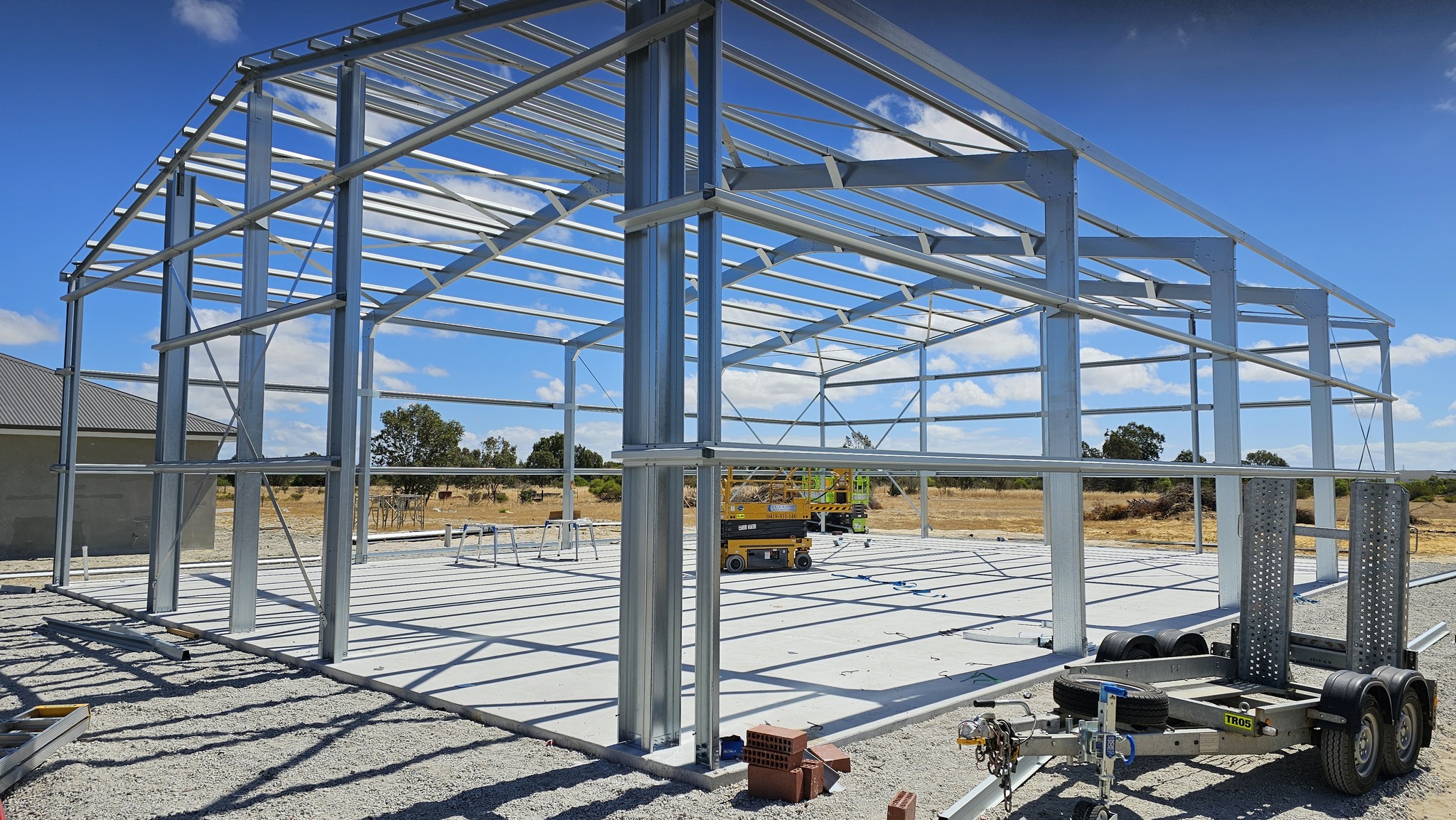
When it comes to the electrical side, that’s where you and your electrician come in. We don’t handle the electrical fit-out, that always happens after the build. Once your shed’s up, you walk through it together and map out your lights, switches, and power points properly based on the finished space, so it’s done right with no guesswork.
Because when your shed’s lit right, it works better. You get more done, stay safer on the tools, and don’t waste time fixing things later.
Building new? Do it once and do it properly with a custom-fit shed. We’ll sort the design, approvals, slab, and full build, no shortcuts, no stuffing around. Get in touch with us today or have a play around with our online shed builder and see just what we’re capable of.

SIMON BUSBY
Owner - Spinifex Sheds
I've got a passion for helping people build the right shed. Whether that's custom made for your hoist, fitting the shed into a tight site or just a shed that's going to last many years, I love to help.
Similar Articles
She Shed Ideas: That Aren’t Just Pretty Pictures
A backyard shed isn’t just for storing tools and lawn gear. With the right setup, it becomes a space you’ll actually want to spend time in. A place to create, relax, or get things done without distractions.
This guide walks through practical she shed ideas that go beyond Pinterest trends. These are proper steel sheds built to suit your block, your needs, and the tough WA conditions.
How to Vermin Proof Your Shed (Properly)
If you’re looking into how to vermin-proof a shed, it pays to get the facts straight. It’s not about throwing a few traps in the corners or spraying some repellent and hoping for the best. Pests are opportunists. In Western Australia, that can mean dealing with...
Man Shed Ideas: Turn Your Shed Into a Personal Escape
A shed’s never just a box with a door. It’s where you stash the gear, sort your tools, or line up your next project. Whether you’re fixing the ute, catching the footy, or just want a spot to disappear for a bit, the right setup makes all the difference. Even if it’s just for storage, it should still be tough, weatherproof, and built to last.